
A Filmmaker’s Guide to Dramatic Visual Storytelling
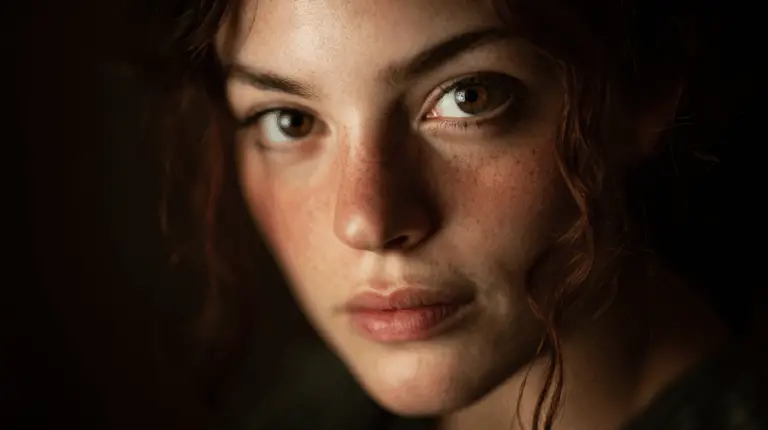
Lighting is one of the most powerful storytelling tools in any creator’s arsenal. It shapes mood, defines character, and can instantly elevate your work from amateur to cinematic. One of the most enduring techniques in portrait and film lighting is Rembrandt lighting – a style that dates back to the Dutch Golden Age of painting but continues to find a home on YouTube sets, indie films, and even TikTok videos.
In this article, we’ll explore the history of the technique, the emotions it conveys, and give you practical tips to replicate this look for your own projects.
A Brief History: From Canvas to Camera
The technique is named after Rembrandt van Rijn, a 17th-century Dutch painter renowned for his dramatic use of light and shadow. His portraits often featured a striking interplay between illumination and darkness, creating depth and psychological intensity.
Art historians noticed a recurring pattern in his works: a small, triangular patch of light beneath the subject’s eye on the shadowed side of their face. This became known as Rembrandt lighting.
Fast forward to the early days of cinema, and filmmakers quickly adopted the technique. Its roots in painting gave it a timeless, almost classical quality, making it perfect for film noir, dramas, and any story requiring gravity and tension. Today, the triangle of light serves as more than an homage to the master painter; it’s shorthand for a form of visual storytelling steeped in tradition.
What Does Rembrandt Lighting Convey?
Rembrandt lighting is used to deliver an emotional response. Here’s what it brings to the table:
- Drama and Intensity: The high contrast immediately signals seriousness and weight.
- Mystery: The shadowy half of the face can suggest hidden motives or inner conflict.
- Depth and Dimension: The triangle of light helps carve out facial features, giving the subject a sculpted, three-dimensional look.
- Timelessness: Because of its roots in classical art, it carries a sense of gravitas.
That’s why you’ll see it used in everything from Scorsese’s gangster films to intense character vlogs on YouTube.
How to Set Up Rembrandt Lighting
The beauty of Rembrandt lighting is its simplicity. You don’t need a Hollywood studio – just a key light, some space, and a bit of patience.
Step 1: Position Your Subject
Seat or stand your subject facing slightly off-center from the camera – about 30–45 degrees. This angle helps create the shadow needed for the triangle effect.
Step 2: Place Your Key Light
Position your main light source above and to the side of the subject (also around 45 degrees). The height is crucial. It should be just high enough to cast the shadow of the nose down towards the cheek.
The “magic” happens when the nose shadow connects with the cheek shadow, leaving a small inverted triangle of light under the eye.
Step 3: Control the Contrast
Rembrandt lighting is naturally moody, but you can tweak the intensity:
- Add a fill light or a reflector on the shadow side for a softer, more approachable look.
- Leave it unbalanced for maximum drama.
Step 4: Adjust for Your Gear
- DSLR/Mirrorless Shooters: Use a softbox or umbrella to diffuse light and avoid harsh edges.
- Streamers/YouTubers: A ring light won’t cut it here. You’ll need a single directional light source like an LED panel.
- Budget Hack: A desk lamp with parchment paper as diffusion (never touching the bulb for safety) works surprisingly well.
Pro Tips for Filmmakers and Content Creators
- Use Negative Fill: A piece of black foam board or cloth on the shadow side can deepen contrast without adding more lights.
- Mind the Background: Darker backgrounds emphasize the mood, while lighter ones reduce intensity.
- Play with Color: Try using gels on your light source; warm tones for intimacy, cold tones for unease.
- Subtlety Wins: The triangle of light doesn’t have to be perfect. Even a suggestion of it can give the same effect.
- Think Story First: Don’t use Rembrandt lighting just because it looks cool. Use it when your story, character, or mood calls for drama.
Examples in Modern Media
- Film Noir: Classic crime films like Double Indemnity leaned heavily on Rembrandt-inspired setups.
- The Godfather (1972): Gordon Willis, nicknamed “the Prince of Darkness,” used Rembrandt-style lighting to underline the Corleones’ moral ambiguity.
- YouTube Creators: Channels like Peter McKinnon and Daniel Schiffer often incorporate variations of Rembrandt lighting in their talking-head shots for depth and professionalism.
🎥 Recommended YouTube Breakdown: The following Rembrandt lighting tutorial by Aputure shows the technique step by step in a filmmaking context:
Why You Should Try It
Rembrandt lighting is a rite of passage for visual storytellers. It teaches you how light shapes emotion, introduces you to the dance between highlights and shadows, and elevates your content beyond “well-lit” to truly cinematic.
Whether you’re shooting a film, streaming on Twitch, or filming a moody YouTube monologue, this 400-year-old trick might be exactly what you need to level up your visual storytelling.